Floral Music Instrument and Notes: Elevating Print-on-Demand Designs with Botanical Harmony
The intersection of botany and melody creates a visual language that resonates deeply with consumers seeking nostalgia, elegance, and artistic expression. When we talk about Floral Music Instrument and Notes in the context of creative design, we are referring to a specific aesthetic niche where organic floral elements intertwine with classical musical iconography. This is not merely a graphic style; it is a thematic bridge between the auditory and the visual, perfect for creators looking to add sophistication to their merchandise. For print-on-demand (POD) sellers and digital artists, having access to high-quality assets—including comprehensive .png and .jpeg sets with individual transparent files—is often the difference between a generic product and a bestseller.
Defining the Aesthetic and Asset Utility
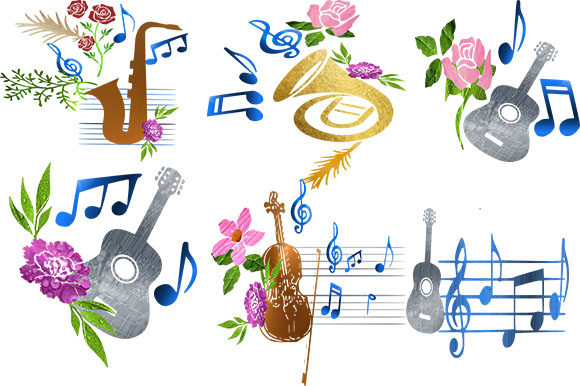
At its core, this design category features instruments like violins, cellos, harps, pianos, and flutes adorned with or emerging from lush greenery, roses, wildflowers, and vines. Musical notes often serve as transitional elements, morphing into leaves or stems. The practical value lies in the file structure provided in these asset packs. A complete set typically includes master compositions in high-resolution .jpeg format for immediate use on rectangular products, alongside individual .png files with transparent backgrounds.
This separation is crucial for professional workflows. While a pre-composed .jpeg works beautifully for a standard poster or phone case, the individual .png elements allow designers to build custom layouts. You might extract a single floral violin for a mug handle placement, or scatter isolated musical note-flowers across a seamless pattern for fabric printing. This modularity transforms a static image pack into a versatile design system, enabling you to adapt the Floral Music Instrument and Notes theme to virtually any product dimension without losing resolution or compositional balance.
Real-World Applications Across Merchandise Categories
The versatility of botanical musical imagery extends far beyond simple wall art. Understanding where this aesthetic performs best can help streamline your product development process. Different demographics respond to this fusion of nature and culture in unique ways, creating opportunities across multiple industries.
Educational and Studio Environments
Music educators, private tutors, and studio owners constantly seek decor that inspires students while maintaining a welcoming atmosphere. Traditional music posters can feel sterile or overly academic. Floral-infused instrument designs soften this environment, making practice spaces feel more creative and less intimidating. These assets are particularly effective for:
- Studio Accent Walls: Large-format canvas prints featuring a cello entwined with peonies create a focal point that reduces performance anxiety.
- Student Rewards: Stickers and bookmarks utilizing individual .png elements serve as tangible encouragement for young musicians.
- Recital Programs: Elegant cover art for event programs signals professionalism and attention to detail to parents and attendees.
Wedding and Event Stationery
The wedding market frequently seeks themes that blend romance with personal passion. For couples who are musicians or simply love classical music, standard floral invitations may lack personality, while standard musical motifs may lack romance. Floral Music Instrument and Notes designs solve this dichotomy perfectly. Designers can utilize the transparent .png files to create custom invitation suites where a harp overgrown with ivy frames the couple’s names. This aesthetic also translates exceptionally well to table numbers, menu cards, and thank-you notes, providing a cohesive visual thread throughout the event that feels bespoke rather than templated.
Lifestyle Apparel and Accessories
In the apparel sector, placement is everything. A massive, centered graphic can sometimes look like a uniform, whereas strategic placement creates fashion. Using individual floral instrument cutouts allows for pocket-sized prints on t-shirts, sleeve tattoos on long-sleeve tops, or all-over sublimation patterns on leggings and scarves. The target audience here often includes orchestra members, band enthusiasts, and cottagecore adherents who want to signal their identity subtly. The organic nature of the florals makes these designs wearable in casual settings where overt band merchandise might feel out of place.
Strategic Considerations Before Implementation
While these assets offer immense creative potential, successful application requires thoughtful preparation. Jumping straight into production without considering technical and stylistic variables can lead to wasted resources or inconsistent branding.
Resolution and Color Space Management
Always verify the DPI (dots per inch) of your .png and .jpeg files before listing products. Screen viewing is forgiving, but textile printing is not. For apparel and home goods, 300 DPI at actual print size is the non-negotiable standard. Additionally, consider color profiles. Most POD printers operate in CMYK, while digital assets are often RGB. Floral colors, particularly vibrant greens and deep reds, can shift during conversion. Testing a sample print of your Floral Music Instrument and Notes composition ensures the botanical tones remain rich and the instrument finishes look realistic rather than muddy.
Background Contrast and Product Selection
Transparent .png files offer freedom, but they also demand intentionality regarding background color. A white floral violin will disappear on a white tote bag, and a dark mahogany cello may get lost on black fabric. Successful sellers map their assets to complementary product colors beforehand. If your asset pack features predominantly light-colored flowers, prioritize pastel or cream base products. Conversely, if the instruments are rendered in dark woods with shadow-heavy foliage, they will pop dramatically against navy, charcoal, or forest green substrates. This contrast planning prevents returns due to poor visibility.
Niche Specificity vs. Broad Appeal
Not all floral music designs serve the same customer. A sleek, minimalist line-art flute with eucalyptus appeals to modern brides and contemporary studios. A baroque oil-painting style violin with heavy roses targets vintage enthusiasts and classical purists. Before uploading, categorize your assets by sub-niche. Tagging "cottagecore," "dark academia," "boho wedding," or "music teacher gift" accurately helps the right buyers find your work. Avoid using identical tags for vastly different artistic interpretations within the same pack; specificity drives conversion more effectively than generic volume.
Navigating Strengths and Limitations
Understanding the inherent characteristics of this design style helps manage expectations and optimize marketing efforts. The primary strength of Floral Music Instrument and Notes assets is their emotional resonance. They communicate creativity, tranquility, and refinement simultaneously, which justifies higher price points compared to text-based or novelty designs. The inclusion of individual elements also future-proofs your purchase; as design trends shift from maximalism to minimalism, you can isolate components to stay current without buying new packs.
However, there are limitations to consider. This aesthetic is inherently seasonal and gender-coded in consumer perception, often skewing feminine or spring/summer associated. To counteract this, consider how lighting and flower variety affect mood. Darker backgrounds with autumnal foliage and brass instruments can extend the selling season into fall and winter, appealing to a broader demographic. Additionally, because this niche is visually complex, it does not always scale down well to very small items like lapel pins or keychains. Intricate floral details can blur at tiny sizes. Reserve the most detailed compositions for larger canvases and use simplified silhouettes or single-note florals for small-format accessories.
Ultimately, the value of these digital assets lies in their ability to save time while elevating perceived quality. By leveraging both the master compositions and the individual .png elements, creators can build extensive, cohesive collections that speak to musicians, nature lovers, and event planners alike. Success comes not just from owning the files, but from understanding the emotional and practical contexts in which these beautiful hybrids of sound and bloom truly thrive.