Botanical Floral Border with Fig: Elevating Design Across Print and Digital Media
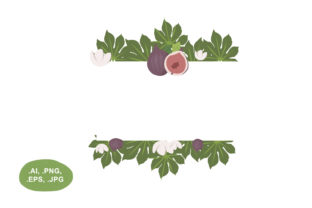
A Botanical Floral Border with Fig is more than just a decorative frame; it is a versatile design asset that bridges the gap between rustic charm and sophisticated elegance. At its core, this element features intricate illustrations of fig leaves, branches, and fruit arranged in a continuous or corner-based layout. Unlike generic floral patterns, the inclusion of figs adds a specific Mediterranean or organic warmth that feels both timeless and contemporary. When you acquire this asset in .ai, .eps, .png, and .jpg formats with transparent backgrounds, you are essentially securing a multi-purpose toolkit capable of adapting to everything from high-end wedding stationery to artisanal food packaging.
Real-World Applications for Event Stationery
The most immediate application for a Botanical Floral Border with Fig lies in the wedding and event industry. Fig motifs have surged in popularity for late summer and autumn nuptials because they symbolize abundance and peace without feeling overly traditional. For a designer creating an invitation suite, the transparent PNG version of this border is invaluable. You can layer it directly over colored cardstock textures or watercolor washes in Photoshop or Canva without needing to perform complex masking or background removal.
Consider a save-the-date card where the couple wants a "garden party" aesthetic but needs to keep text legible. A full-frame botanical border can sometimes crowd the center. Because you have access to the editable .ai or .eps source files, you can easily delete specific elements of the border to create an asymmetrical corner accent instead. This flexibility allows you to maintain visual consistency across the invitation, menu cards, and table numbers while adjusting the density of the artwork to suit different paper sizes. The fig elements specifically pair beautifully with serif typography and earthy color palettes like sage green, terracotta, and warm cream, helping clients achieve a cohesive brand identity for their special day.
Enhancing Artisanal Food and Beverage Branding
Beyond events, the culinary sector benefits immensely from this type of botanical imagery. Figs are intrinsically linked to gastronomy, making this border an ideal choice for wineries, olive oil producers, jam makers, and farm-to-table restaurants. When designing a label for a jar of fig preserve or a bottle of balsamic vinegar, the JPG format serves as a quick reference for mockups, while the vector EPS file ensures crisp printing at any scale.
For small business owners handling their own marketing, having a ready-to-use border with a transparent background eliminates the need to hire an illustrator for custom work. It provides a professional, hand-drawn look that suggests craftsmanship and quality. Imagine a bakery updating their seasonal menu; placing the Botanical Floral Border with Fig around the header instantly communicates that the offerings are fresh, natural, and premium. The detailed texture of the fig leaves adds depth that flat, minimalist icons often lack, giving physical packaging a tactile visual quality even before the customer touches the product.
Digital Content and Social Media Strategy
In the digital realm, speed and adaptability are paramount. Content creators, bloggers, and social media managers frequently need engaging visuals that stop the scroll. A Botanical Floral Border with Fig works exceptionally well as an overlay for Instagram Stories, Pinterest pins, or blog post headers. The transparent PNG format is the hero here, allowing you to drop the border over lifestyle photography or solid brand colors without unsightly white boxes ruining the composition.
For example, a wellness influencer sharing a recipe for roasted figs can use the border to frame the title text on a cover image, creating a recognizable series format. Because the files are high-resolution, they remain sharp on retina displays and large monitors. Furthermore, if you are managing multiple client accounts, the ability to recolor the vector .ai file means you can match the exact hex codes of different brands using the same foundational artwork. One client might need deep forest greens for a skincare line, while another requires muted golds for a luxury hotel promotion. This versatility maximizes the return on investment for the asset.
Technical Considerations Before Implementation
While having multiple file formats is a significant advantage, understanding when to use each is crucial for optimal results. Many users mistakenly rely solely on raster images (JPG/PNG) for print projects, leading to pixelation. Always utilize the .eps or .ai vector files for physical products like business cards, packaging, or large-format signage. Vectors are mathematically defined, meaning you can scale the Botanical Floral Border with Fig to the size of a billboard without losing a single detail in the leaf veins or fruit texture.
Conversely, reserve the PNG files for digital layouts or composite designs where transparency is required. Be mindful of resolution; ensure your PNGs are at least 300 DPI if you intend to use them in hybrid print-digital workflows. When working with the transparent backgrounds, always check the edges of the artwork. High-quality assets will have clean anti-aliasing, preventing jagged halos when placed against dark backgrounds. If you are modifying the vector files, pay attention to stroke weights. Scaling a border down significantly for a business card may cause fine lines to disappear during printing, so adjusting the line thickness relative to the final output size is a necessary step in the prepress process.
Navigating Style and Audience Alignment
Before integrating a Botanical Floral Border with Fig into a project, consider the emotional tone of the subject matter. Figs carry a weight of history and specificity. They read as mature, organic, and slightly luxurious. This makes them perfect for heritage brands, organic cosmetics, or literary publications. However, they may not align with tech startups, children’s entertainment, or ultra-modern industrial aesthetics. Understanding this semantic association prevents design dissonance.
Additionally, think about negative space. Botanical borders are naturally busy. If your content is text-heavy, such as a legal document or a dense informational brochure, a full perimeter border might reduce readability. In these scenarios, using the editable vector file to isolate just a few fig clusters or leaves as a subtle watermark or footer element is often more effective than forcing a complete frame. The goal is to enhance the content, not compete with it. By treating the Botanical Floral Border with Fig as a modular system rather than a static stamp, you unlock its full potential across diverse industries and creative challenges.
Maximizing Value Through File Versatility
The true strength of acquiring this asset in a comprehensive bundle lies in future-proofing your workflow. Trends shift, and software updates occur. Having the original .ai source file means you are never locked into a specific colorway or composition. Perhaps next year the trend shifts from realistic botanicals to stylized line art; with the vector file, you can adjust the opacity, change fill styles, or simplify details to match evolving tastes without repurchasing new assets.
For agencies and freelancers, this level of adaptability translates to efficiency. Instead of searching for new borders for every single project, you build a reliable library of high-quality, multi-format assets that can be customized to fit unique briefs. The Botanical Floral Border with Fig becomes a staple in your design arsenal, ready to deploy whether you are crafting a vintage-inspired wine label at 2 AM or polishing a corporate sustainability report at noon. The combination of immediate usability via PNG/JPG and long-term flexibility via AI/EPS ensures that this resource remains relevant and practical for years to come.