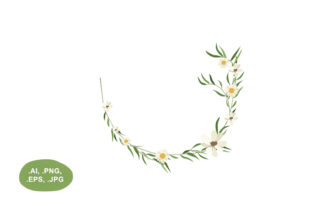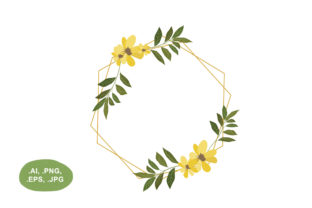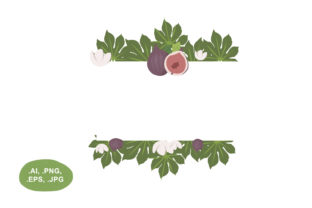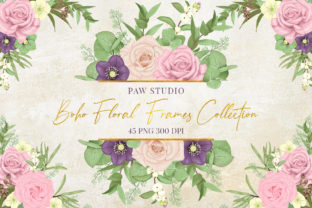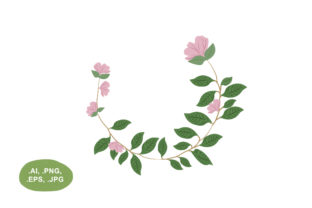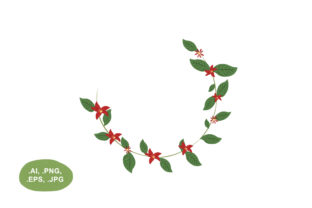
Elevating Design with Botanical Red Floral Open Round Borders and Wreaths
In the ever-evolving world of graphic design, digital marketing, and personal creativity, the demand for organic, natural aesthetics has never been higher. Among the most versatile and enduring visual elements in this category is the Botanical Red Floral Open Round Border. Whether used for wedding invitations, product packaging, social media templates, or educational materials, these floral arrangements provide a perfect frame that guides the viewer’s eye without overwhelming the central content. Understanding how to select, utilize, and technically manage these assets is essential for both novice creators and seasoned professionals.
This guide explores the significance of botanical wreaths, their practical applications in modern workflows, and the technical advantages of having access to high-quality source files like .ai, .eps, .png, and .jpg formats. By understanding the "why" and "how" behind these design elements, you can transform simple projects into polished, professional compositions.
The Psychology and Purpose of Botanical Frames
Before diving into file formats and software compatibility, it is crucial to understand why botanical borders are so effective. In design theory, a frame serves two primary purposes: it creates a focal point and establishes a mood. An open round border, specifically, offers a unique psychological advantage over closed geometric shapes.
Visual Flow and Focus
A circular shape implies unity, wholeness, and continuity. However, an open round border introduces a sense of breathability and movement. Unlike a solid box that traps content, an open botanical wreath invites the viewer in. The negative space within the curve allows text or imagery to interact naturally with the floral elements. This is particularly important in web design and print layouts where whitespace is just as valuable as the graphics themselves.
Color Significance: Why Red?
While green foliage provides a neutral base, the addition of red florals carries specific semantic weight. In color psychology, red represents passion, vitality, celebration, and warmth. When combined with botanical greens, it strikes a balance between energy and tranquility. This makes red floral borders exceptionally versatile:
- Romantic Contexts: Ideal for Valentine’s Day promotions, anniversaries, and wedding stationery.
- Seasonal Relevance: Perfect for autumn harvest themes, winter holidays, and spring garden events.
- Brand Identity: Adds a pop of brand color to otherwise neutral corporate reports or certificates.
Technical Mastery: Understanding File Formats
One of the most common pitfalls for beginners is downloading a beautiful graphic only to discover it cannot be edited or scaled for their specific project. When acquiring a Botanical Wreath with transparent backgrounds, receiving a bundle that includes .ai, .eps, .png, and .jpg files is not just a bonus—it is a necessity for professional workflow. Each format serves a distinct purpose in the design ecosystem.
Vector Files: .AI and .EPS
The Adobe Illustrator (.ai) and Encapsulated PostScript (.eps) files are vector-based. This means they are constructed from mathematical paths rather than pixels. For designers, these are the gold standard.
- Infinite Scalability: You can resize a vector wreath from the size of a business card to a billboard without any loss of quality or pixelation.
- Editability: Need to change the red flowers to pink to match a client's rebrand? With an .ai or .eps file, you can recolor individual elements instantly.
- Layer Management: Vector files often retain layer structures, allowing you to move leaves, adjust spacing, or remove specific blooms to customize the composition.
Raster Files: .PNG and .JPG
While vectors are for editing, raster files are for implementation. Understanding the difference between PNG and JPG is critical for maintaining quality across different media.
PNG (Portable Network Graphics): This is arguably the most important file for digital designers. A PNG supports transparency. When you download a botanical wreath with a transparent background, it is typically in PNG format. This allows you to overlay the wreath directly onto colored backgrounds, photographs, or textured paper without an unsightly white box surrounding the flowers. It uses lossless compression, ensuring crisp edges for print and screen.
JPG (Joint Photographic Experts Group): JPGs do not support transparency and use lossy compression. However, they have smaller file sizes. These are best used for quick mockups, email signatures where file weight matters, or as reference images. Always prioritize the PNG or Vector version for final production work.
Practical Applications in Modern Workflows
The utility of a ready-to-use botanical wreath extends far beyond simple decoration. In today’s fast-paced digital environment, these assets solve real-world problems for various industries.
Marketing and Social Media
Content creators face the challenge of producing high-volume visuals daily. Creating custom illustrations from scratch for every Instagram story or Facebook post is time-prohibitive. A high-quality open round border acts as a reusable template. By placing promotional text or product photography inside the wreath, marketers can maintain brand consistency while significantly reducing production time. The red floral accent draws attention to the offer or message, increasing engagement rates.
Education and E-Learning
In educational materials, visual hierarchy helps students process information. A botanical border can delineate sections in a worksheet, highlight key vocabulary in a presentation, or serve as a certificate frame for course completion. The organic nature of botanical art is also known to reduce cognitive load compared to harsh geometric lines, creating a more welcoming learning environment.
Print and Packaging Design
For small businesses selling handmade goods, cosmetics, or artisanal foods, packaging is a primary touchpoint. Using a scalable .eps botanical border allows for seamless integration across various package sizes—from tiny jar labels to large shipping boxes. The "ready to use" aspect means that even entrepreneurs without formal design training can achieve a boutique look by simply dragging and dropping a transparent PNG into tools like Canva or Photoshop.
Common Misunderstandings and Best Practices
Despite their popularity, botanical borders are often misused. Addressing these common errors ensures your designs remain sophisticated rather than cluttered.
The Contrast Trap
A frequent mistake is placing dark text directly over intricate floral details. Even with a transparent background, the density of the leaves and petals can make text illegible. Always ensure sufficient contrast. If the wreath is too busy, use the vector file to reduce the opacity of the flowers or rearrange the elements to create a cleaner negative space for typography.
Resolution Awareness
Another misconception is that all digital files are print-ready. A 72 DPI PNG might look perfect on a website but will appear blurry when printed on cardstock. Always check the resolution. For print, aim for 300 DPI at the final output size. This is why having the .ai or .eps source file is vital; if the provided PNG is too small, you can export a new, high-resolution version from the vector source.
Over-Styling
Because botanical wreaths are inherently detailed, they should often stand alone. Avoid adding drop shadows, glows, or additional clip art around the border unless absolutely necessary. Let the craftsmanship of the illustration breathe. The elegance of a red floral open round border lies in its simplicity and natural form.
Building a Broader Creative Foundation
Utilizing pre-made assets like botanical wreaths does not diminish creativity; rather, it enhances it by providing a strong foundation. Think of these assets as ingredients in a kitchen. A chef does not grow every vegetable they use, but their skill lies in how they combine those ingredients to create something unique.
By mastering the technical aspects of file management and understanding the design principles behind botanical frames, you build a broader competency in visual communication. You learn to assess quality, understand color theory, manage layers, and respect visual hierarchy. These skills transfer to every other area of design, from UI/UX to environmental graphics.
Ultimately, the Botanical Red Floral Open Round Border is more than just a decorative clip-art element. It is a bridge between traditional artistry and modern digital efficiency. Whether you are designing a wedding suite, launching a product line, or creating educational content, having the right tools—.ai, .eps, .png, and .jpg—ensures that your vision is executed with precision, flexibility, and beauty. Embrace these resources not as shortcuts, but as enablers of higher-quality, more impactful creative work.