Floral Mandala Background: Elevating Design with Abstract Bohemian Symmetry
In the world of digital and print design, finding the perfect balance between intricate detail and versatile usability is a constant challenge. A Floral Mandala Background serves as a powerful solution for designers, crafters, and content creators who need to convey elegance, spirituality, or bohemian charm without overwhelming their primary message. Specifically, designs featuring abstract bohemian mandala ornament backgrounds created from round symmetry and concentric oval shapes offer a unique aesthetic that bridges traditional artistry with modern vector precision. When sourced in high-resolution formats like JPG 5000x5000 or scalable vector EPS, these assets become foundational tools for professional projects ranging from wedding stationery to large-format textile printing.
Understanding the Floral Mandala Background Aesthetic
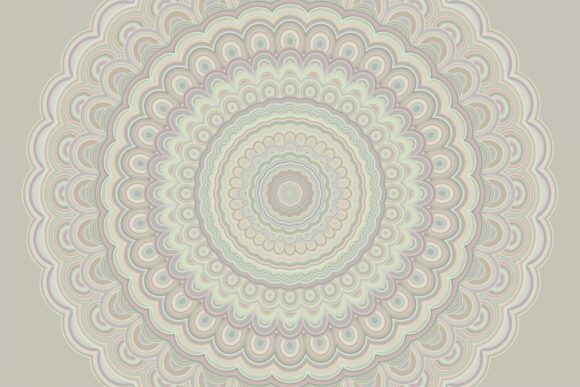
A Floral Mandala Background is more than just a decorative image; it is a structured composition rooted in geometric harmony. The term "mandala" originates from Sanskrit, meaning circle, and represents wholeness and unity. In contemporary design, this translates to patterns that radiate from a central point, creating a sense of calm and order. The specific variation involving abstract bohemian mandala ornament backgrounds distinguishes itself through organic fluidity. Unlike rigid geometric tessellations, these designs utilize concentric oval shapes and floral motifs to create a softer, more natural flow.
This style is characterized by its round symmetry, which guides the viewer’s eye inward toward the center while simultaneously expanding outward. For adults seeking practical design resources, understanding this visual psychology is crucial. The symmetry provides a stable backdrop that does not compete with foreground text or imagery, making it an ideal canvas for overlays. The bohemian influence adds a layer of artistic freedom, incorporating petal-like curves and vine-inspired lines that feel handcrafted even when rendered as precise digital vectors.
Common Design Challenges and How Mandalas Solve Them
Designers and DIY enthusiasts frequently encounter specific hurdles when selecting background assets. Recognizing these pain points helps clarify why a high-quality Floral Mandala Background is often the superior choice over generic textures or solid colors.
- Lack of Visual Depth: Solid color backgrounds can appear flat and unprofessional in print. A mandala introduces subtle complexity and shadow play through overlapping concentric ovals, adding dimension without requiring additional graphical elements.
- Resolution Anxiety: One of the most common failures in amateur design is pixelation. Sourcing a JPG at 5000x5000 pixels ensures that the background remains crisp even when printed on large surfaces like banners or tapestries. This resolution standard eliminates the guesswork regarding print quality.
- Rigidity of Raster Images: Standard JPEGs cannot be resized infinitely without quality loss. Having access to the vector EPS version of a Floral Mandala Background solves this permanently. Vectors allow for infinite scaling and color manipulation, ensuring the asset adapts to any project size from a business card to a billboard.
- Cultural or Stylistic Mismatch: Generic patterns often lack soul. The abstract bohemian style specifically targets audiences looking for warmth, mindfulness, and organic beauty, avoiding the sterile look of purely mathematical geometric patterns.
Practical Applications Across Different Mediums
The versatility of a round symmetry vector pattern design lies in its adaptability. Because the design relies on concentric geometry, it can be cropped, masked, or tiled effectively across various applications.
Print Media and Stationery
For wedding invitations, greeting cards, and book covers, the Floral Mandala Background acts as a sophisticated frame. Designers often reduce the opacity of the JPG file to 10-20% to create a watermark effect, allowing black or dark-colored typography to remain perfectly legible. The concentric oval shapes naturally create negative space in the center, which is ideal for placing titles, names, or dates without obscuring the ornamental details at the edges.
Textile and Surface Pattern Design
The availability of the vector EPS format is particularly valuable for fashion and home decor. Surface pattern designers can isolate individual floral elements from the mandala to create repeating seamless patterns for fabric, wallpaper, or wrapping paper. Alternatively, the full 5000x5000 JPG can be used as a standalone placement print on t-shirts, tote bags, or meditation mats. The bohemian aesthetic resonates strongly in these markets, where consumers value artisanal and spiritual visual cues.
Digital Content and Branding
Social media managers and web designers utilize these backgrounds to establish brand identity. A Floral Mandala Background works exceptionally well for wellness coaches, yoga studios, and holistic health brands. In digital formats, the high resolution allows for cropping into various aspect ratios (square for Instagram, vertical for Stories) without losing detail. The circular nature of the design also makes it perfect for profile pictures, logo backdrops, or circular badge designs.
Navigating File Formats: JPG vs. Vector EPS
To maximize the utility of these assets, users must understand how to leverage both included file types effectively. Each serves a distinct purpose in the production workflow.
The JPG 5000x5000 file is your ready-to-use raster asset. It is best suited for projects where the dimensions are fixed or when working in software that does not support vectors, such as basic photo editors or word processing programs. At this resolution, it supports high-DPI printing up to approximately 16x16 inches at 300 DPI. For larger prints, interpolation may be required, though starting at 5000px provides a significant safety buffer.
The Vector EPS file is your master source. This format stores the design as mathematical paths rather than pixels. Professional designers should always start here if customization is needed. You can change the color palette to match specific brand guidelines, adjust the stroke width of the concentric ovals, or delete outer rings to create a smaller motif. Crucially, the EPS file ensures that no matter how much you zoom in or scale up, the edges of the floral mandala remain razor-sharp. This is non-negotiable for professional offset printing and laser cutting applications.
Implementation Tips for Optimal Results
Simply placing a Floral Mandala Background onto a canvas does not guarantee a successful design. Consider these practical recommendations to ensure the asset enhances rather than detracts from your work:
- Mind the Contrast: Bohemian mandalas are often detailed. If placing text over the background, ensure there is sufficient contrast. Use a solid color overlay box behind the text or apply a gradient mask to fade the mandala in areas where readability is critical.
- Respect the Center Point: Round symmetry designs have a definitive focal point. Align your key visual elements with this center axis. Off-center placement can create visual tension that feels unintentional unless deliberately styled as an edge crop.
- Color Harmony: While the vector EPS allows recoloring, consider the psychological impact of your palette. Earth tones enhance the bohemian feel, while metallics (gold, copper) elevate the design for luxury events. Pastels soften the geometry for nursery or spring-themed projects.
- Layering Techniques: Do not limit yourself to a single layer. Combine the Floral Mandala Background with other organic textures like paper grain or watercolor washes. This breaks up the digital perfection of the vector lines and adds tactile warmth, reinforcing the handmade bohemian aesthetic.
Tailoring the Approach to User Needs
Different users will approach the Floral Mandala Background with varying levels of technical expertise and distinct end goals. Beginners should focus on utilizing the high-resolution JPG as a complete background element, leveraging its existing beauty without attempting complex modifications. Intermediate users can experiment with blending modes and opacity adjustments to integrate the pattern into composite images. Advanced professionals and commercial printers should prioritize the EPS workflow, treating the mandala as a modular component system that can be deconstructed and rebuilt to fit bespoke client requirements.
Ultimately, the value of an abstract bohemian mandala ornament background lies in its ability to provide instant sophistication and structural balance. Whether you are designing a personal journal cover or a commercial product line, the combination of high-resolution raster convenience and vector scalability ensures that this resource meets professional standards. By understanding the interplay of concentric oval shapes and round symmetry, you transform a simple background image into a dynamic design element that communicates harmony, creativity, and attention to detail.