Floral Home Sweet Home: Vector Wreath Design Guide
There is a timeless quality to the phrase "Home Sweet Home" that resonates across generations, but translating that sentiment into visual design requires more than just elegant typography. The Floral Home Sweet Home vector art collection bridges the gap between traditional warmth and modern digital utility. This isn't merely a decorative clipart file; it is a comprehensive design asset built for versatility. By combining a beautifully illustrated floral wreath with scalable vector architecture, this resource allows creators to maintain high standards of print and digital clarity without sacrificing the organic, hand-drawn aesthetic that makes home-themed projects feel authentic.
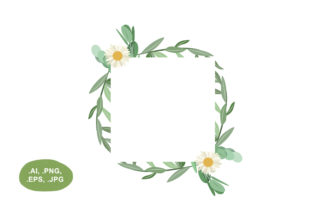
For designers, marketers, and hobbyists, the value lies in the technical specifications as much as the artistic style. The inclusion of 300 PPI resolution across all formats ensures that whether you are printing a large-format welcome sign or designing a small social media badge, the edges remain crisp and the colors vibrant. Understanding how to leverage the specific file types included in this ZIP package—A4 and Letter JPGs, transparent PNGs, and editable PDF vectors—is the first step toward unlocking its full creative potential.
Leveraging Vector Formats for Professional Print
The standout feature of this collection is the PDF vector format. Unlike raster images that lose quality when resized, vectors rely on mathematical paths, meaning they can be scaled infinitely without pixelation. For small business owners creating physical products or signage, this is non-negotiable. When designing a wooden porch sign or an acrylic door hanger, the ability to stretch the Floral Home Sweet Home wreath to fit custom dimensions while retaining sharp lines is essential for a professional finish.
Consider the practical application for real estate agents or property stagers. A closing gift tag or a "Just Sold" flyer often requires branding elements that look polished at various sizes. Using the vector PDF allows you to integrate the wreath into layout software like Adobe Illustrator or Affinity Designer, where you can adjust the color palette to match specific brokerage branding or seasonal themes. This adaptability transforms a static illustration into a dynamic brand asset. Furthermore, because the file is vector-based, you can isolate individual floral elements if your project requires a smaller accent graphic rather than the full circular composition.
Optimizing Raster Files for Digital and Quick Projects
While vectors offer ultimate flexibility, the pre-sized JPG and PNG files serve a different, equally important purpose: efficiency. Not every project requires opening complex design software. The A4 and Letter-sized JPGs at 300 PPI are optimized for standard document printing. Educators creating classroom welcome packets, bloggers designing printable wall art, or event planners drafting itineraries can drop these files directly into Word, Canva, or PowerPoint templates without worrying about aspect ratio distortion or low-resolution blurriness.
The transparent PNG is arguably the most versatile asset for digital creators. Transparency eliminates the need for tedious background removal, allowing the wreath to sit naturally over colored backgrounds, photographs, or textured patterns. Social media managers can use this to frame profile pictures, create Instagram Story highlights, or overlay text for Pinterest pins. The key here is layering; placing the transparent wreath over a subtle linen texture or a soft gradient adds depth that flat white backgrounds cannot achieve. This simple technique elevates digital content from generic to curated.
Creative Applications Across Industries
The aesthetic of the Floral Home Sweet Home wreath leans into botanical elegance, making it suitable for a wide spectrum of projects beyond standard home decor. Interpreting this asset effectively means understanding your audience and the context of the medium.
- Wedding and Event Stationery: Use the vector version to create cohesive suites ranging from save-the-dates to table numbers. The floral motif works exceptionally well for garden weddings or rustic receptions. Pair it with serif typography for tradition or minimalist sans-serif fonts for a contemporary contrast.
- E-Commerce Product Packaging: Small businesses selling candles, soaps, or artisanal foods can use the PNG as a label border or sticker design. The circular shape naturally frames product names and ingredients, guiding the customer’s eye to the center of the packaging.
- Interior Design Portfolios: Architects and designers can use the wreath as a subtle watermark or section divider in client presentations. It softens the technical nature of floor plans and renders, adding a human touch to professional documentation.
- Seasonal Marketing Campaigns: While the design is evergreen, it adapts well to seasonal shifts. Overlay autumn leaves or winter berries digitally to repurpose the base wreath for holiday promotions without purchasing new assets.
Maintaining Visual Consistency and Hierarchy
When incorporating such a distinct illustrative element, balance is critical. The Floral Home Sweet Home wreath is detailed, which means it carries significant visual weight. To keep designs effective and organized, treat the wreath as a primary focal point or a supporting frame, never both simultaneously. If the wreath is the main attraction, keep accompanying typography simple and spaced generously. Conversely, if the text is the hero, reduce the opacity of the wreath or use it as a faint background texture to prevent visual competition.
Consistency across multiple touchpoints builds recognition. If you use this asset for a blog header, ensure the color grading matches your website’s palette. If using it for print, request a proof to verify that the screen colors translate accurately to paper, especially with floral tones which can shift during CMYK conversion. Organizing your asset library is also part of professional workflow; rename files descriptively (e.g., "FloralWreath_Vector_CMYK.pdf") rather than keeping generic filenames. This saves time and reduces errors when managing multiple projects.
Technical Best Practices for High-Quality Results
Achieving professional results requires respecting the technical boundaries of each file type. Even a beautiful illustration can look amateurish if mishandled. Always verify the resolution before sending files to print. While the provided JPGs are 300 PPI, resizing them significantly larger in a layout program will degrade quality. In such cases, revert to the vector PDF. For digital displays, optimize file sizes; a 300 PPI A4 JPG is unnecessarily heavy for a web banner. Export a web-optimized version at 72 or 96 PPI to ensure fast loading times without visible quality loss on screens.
Color management is another area where attention to detail pays off. The vector PDF allows for global color changes, but be mindful of color profiles. RGB is ideal for screens and digital sharing, while CMYK is necessary for commercial printing. Converting between these modes can alter floral hues, particularly greens and pinks. Test prints are recommended for any large-scale production. For those using the transparent PNG, ensure your design software supports alpha channels; older versions of some programs may render transparency as black or white boxes.
Adapting Style for Diverse Audiences
The interpretation of "home" varies culturally and demographically. While this floral wreath has a classic appeal, consider how styling adjustments can broaden its relevance. For a younger, trend-focused audience, pair the illustration with bold, neon accents or unconventional layouts that subvert traditional expectations. For luxury markets, utilize ample negative space and metallic foil effects in print to convey exclusivity. The vector format facilitates these stylistic pivots by allowing you to modify stroke weights, fill colors, and even rearrange botanical elements to suit specific cultural aesthetics or brand voices.
Ultimately, the Floral Home Sweet Home collection serves as a foundation rather than a finished product. Its utility comes from your ability to adapt, refine, and integrate it into broader creative strategies. Whether you are a freelancer delivering client assets, a teacher creating engaging materials, or an entrepreneur building a brand identity, success lies in treating this asset with technical respect and creative intention. By understanding the distinct advantages of vectors versus rasters, maintaining visual hierarchy, and adapting the style to your specific context, you transform a simple wreath illustration into a powerful communication tool that feels both personal and professionally executed.