Floral Botanical Illustrations: A Strategic Asset for Brand Identity and Design Versatility
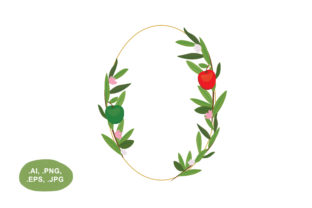
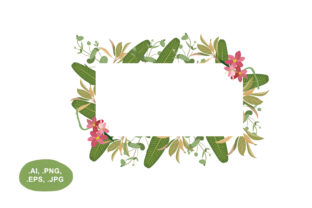
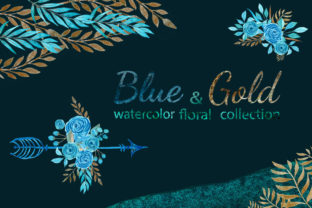
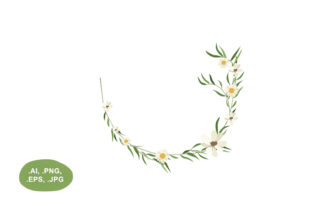
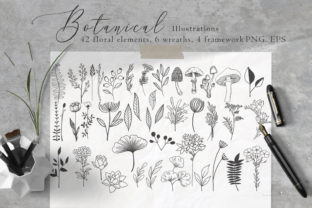
Hello, glad to see you in my little store. When selecting visual assets for professional projects, the distinction between generic stock imagery and intentional, high-quality art often determines the perceived value of the final product. This set of hand-painted Floral Botanical Illustrations serves as more than mere decoration; it functions as a foundational design system for entrepreneurs, marketers, and creators who require versatility without sacrificing aesthetic integrity. Comprising 42 individual elements, six distinct wreaths, and four frameworks, this collection is engineered to support a wide spectrum of commercial and personal applications, from packaging design to digital branding.
The Strategic Value of Hand-Drawn Botanical Assets
In an era dominated by AI-generated imagery and vectorized clip art, hand-painted botanical illustrations offer a tangible sense of craftsmanship that resonates with audiences seeking authenticity. For small business owners and freelancers, utilizing these Floral Botanical Illustrations is a strategic decision to elevate brand positioning. The organic imperfections inherent in hand-drawn art communicate warmth, care, and attention to detail—attributes that are difficult to replicate with digital-only tools.
Strategically, these assets solve a common operational bottleneck: the need for cohesive visual language across multiple touchpoints. Rather than sourcing disparate images that clash in style or color palette, this curated set provides a unified library. Whether you are designing greeting cards, business cards, or textile patterns, maintaining visual consistency builds brand recognition. The inclusion of both isolated elements and pre-composed frameworks allows for rapid iteration during the planning phase, enabling decision-makers to visualize concepts quickly before committing to final production.
Technical Specifications as Operational Enablers
Understanding the technical parameters of your assets is crucial for efficient workflow management. This collection is delivered in EPS and PNG formats at 300 DPI with transparent backgrounds. These specifications are not arbitrary; they are industry standards chosen to maximize utility.
- EPS Format: Essential for print production and large-format scaling. As a vector-compatible format, it ensures that your Floral Botanical Illustrations remain crisp on packaging, signage, or textiles regardless of size.
- PNG Format (300 DPI): Optimized for high-resolution digital use and quick mockups. The transparency eliminates the need for manual background removal, saving hours of post-production time.
- Transparent Backgrounds: Critical for layering. This feature allows designers to integrate botanical elements into existing brand colors or complex layouts without visual friction.
For professionals managing tight deadlines, these technical features translate directly into productivity gains. The ability to drag and drop a high-resolution wreath onto a business card template or overlay a floral framework onto a social media graphic streamlines the creative process while maintaining professional output quality.
Practical Applications Across Business Verticals
The versatility of this 42-element set extends beyond simple aesthetics. Different industries can leverage these Floral Botanical Illustrations to achieve specific communication goals.
Packaging and Product Presentation
For e-commerce entrepreneurs and artisanal product creators, packaging is a primary marketing channel. Using the included wreaths and frameworks can transform plain kraft paper or white boxes into premium unboxing experiences. A strategically placed botanical frame can serve as a label border, drawing the eye to essential product information while reinforcing a natural or organic brand ethos. This application is particularly effective for cosmetics, candles, stationery, and gourmet food products where visual appeal directly influences purchasing decisions.
Stationery and Corporate Communication
Business cards and greeting cards remain vital tools for relationship building. In professional networking, a card featuring subtle, hand-painted florals suggests sophistication and approachability. Unlike bold, aggressive graphics, botanical illustrations provide a neutral yet memorable backdrop that supports typography rather than competing with it. For educators and publishers, these elements can soften academic or instructional materials, making content more inviting without appearing juvenile.
Textile and Surface Pattern Design
Fashion designers and interior decorators can utilize the 42 individual elements to create custom surface patterns. Because the illustrations are hand-drawn, they possess a unique rhythm that prevents the "stamped" look often associated with digital repeats. By rotating, scaling, and combining different plant species from the set, creators can develop proprietary textile designs for apparel, home goods, or wallpaper. This capability turns a one-time asset purchase into a renewable resource for product development.
Intentional Planning and Composition Strategies
Owning high-quality assets is only the first step; using them effectively requires intentionality. Randomly placing Floral Botanical Illustrations can lead to cluttered designs that dilute your message. Consider the following strategic approaches when integrating these elements into your workflow.
Hierarchy and Negative Space
Botanical illustrations should guide the viewer’s eye, not obstruct it. When using the four included frameworks, treat the negative space as prime real estate for your core message. If the framework is dense, opt for minimalist typography. Conversely, if using isolated elements, arrange them to create leading lines that direct attention toward calls to action or key information. Effective composition balances the organic complexity of the flowers with the structural clarity required for commercial communication.
Color Theory and Brand Alignment
While these illustrations are hand-painted, they must harmonize with your existing brand palette. Before deployment, assess whether the botanical tones complement or clash with your corporate colors. You may need to adjust opacity or apply subtle color grading to ensure seamless integration. For holiday decorations or seasonal campaigns, leverage the natural seasonality of specific flowers within the set to signal timeliness and relevance to your audience.
Scalability and Context Awareness
Always consider the final medium during the planning phase. An intricate floral detail that looks stunning on a 5x7 greeting card may become illegible noise when scaled down for a mobile app icon or favicon. Test your compositions at actual size before finalizing. The EPS files allow for lossless scaling, but artistic legibility is a separate concern from technical resolution. Ensure that the level of detail matches the viewing distance and context of the end product.
Risk Mitigation and Best Practices
Even high-quality assets carry risks if misapplied. Being aware of potential pitfalls helps maintain professional standards.
- Avoid Over-Saturation: There is a temptation to use all 42 elements in a single project because they are available. Restraint is a hallmark of good design. Select only the elements that serve the specific communicative goal of the piece.
- Mind the Licensing: Always verify usage rights for commercial versus personal applications. While this set is designed for broad use, ensuring compliance protects your business from legal complications.
- Prevent Generic Outcomes: Because botanical art is popular, there is a risk of looking like everyone else. Differentiate your work through unique layout choices, unexpected color pairings, or by combining these illustrations with other textural elements like photography or geometric shapes.
- File Management: With multiple formats and numerous elements, disorganization can negate productivity benefits. Implement a clear naming convention and folder structure immediately upon download. Tagging files by flower type, color, or composition style can significantly reduce search time during active projects.
Making the Decision: Long-Term Asset Value
When evaluating whether to incorporate this set of Floral Botanical Illustrations into your resource library, consider the long-term return on investment. Unlike trendy design fads that expire quickly, botanical art possesses timeless appeal. This longevity means the assets remain relevant across multiple fiscal years and seasonal campaigns.
For freelancers and agencies, this collection represents a scalable solution for client work. Having a reliable, high-quality botanical library reduces the time spent searching for appropriate stock imagery for every new brief. It allows for faster turnaround times and more consistent quality delivery. For hobbyists and educators, it lowers the barrier to entry for creating professional-grade materials without requiring advanced illustration skills.
Ultimately, the decision to use these hand-drawn illustrations should be rooted in your broader creative or business objectives. Are you trying to humanize a tech brand? Add elegance to a wedding service? Create a calming educational environment? If the answer aligns with the organic, authentic nature of botanical art, then this set is a strategic fit.
Thoughtful design is about solving problems with beauty and function. These Floral Botanical Illustrations provide the raw materials for such solutions. By approaching them with a clear plan, respecting their technical capabilities, and applying them with restraint and intention, you transform digital files into meaningful visual communication. Thanks for watching. Have a nice day, and may your creative endeavors flourish with the same vitality as these hand-painted blooms.