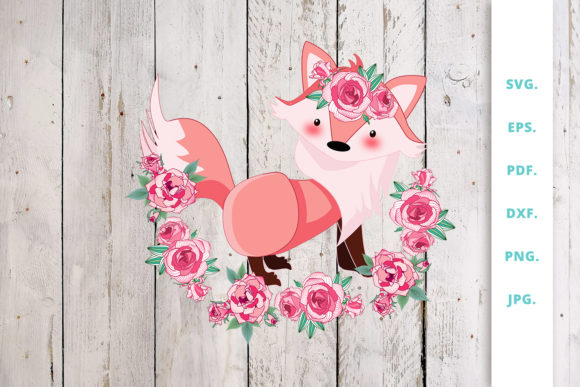
Exploring Botanical Floral Vector Illustration: A Versatile and Elegant Design Solution
Botanical floral vector illustration is a form of digital art that captures the intricate beauty of flowers, leaves, and other plant elements in a clean, scalable format. These illustrations are created using vector graphics, which means they can be resized without losing quality, making them ideal for a wide range of design projects.
What Makes Botanical Floral Vector Illustration Distinct?
One of the key features of botanical floral vector illustration is its versatility. Unlike raster images, which can become pixelated when enlarged, vector illustrations maintain their clarity at any size. This makes them perfect for everything from small icons to large-scale prints. Additionally, these illustrations often come with transparent backgrounds, allowing for seamless integration into various design layouts.
Comparing Botanical Floral Vector Illustration with Other Options
When considering botanical floral vector illustration, it's useful to compare it with other popular design formats. For instance, traditional hand-drawn or painted illustrations have a unique, organic feel but may not offer the same level of scalability and flexibility. On the other hand, photographic images can provide a realistic touch but might lack the artistic elegance and adaptability of vector illustrations.
- Raster Images (e.g., PNG, JPEG): While these can be highly detailed, they are limited in terms of scalability and often require more storage space.
- Hand-Drawn Art: Offers a personal, artisanal touch but may not be as versatile for digital use and resizing.
- Photographs: Provides a realistic representation but can be less flexible in terms of editing and customization.
Strengths and Tradeoffs of Botanical Floral Vector Illustration
The primary strength of botanical floral vector illustration is its adaptability. Whether you need a small icon for a website or a large mural for a wall, these illustrations can be resized without compromising quality. They also offer a high degree of customization; you can easily change colors, rearrange elements, and even combine different illustrations to create a unique design.
However, there are some tradeoffs. Vector illustrations, while highly scalable, may not capture the same level of detail and texture as raster images or photographs. If your project requires a very realistic or highly detailed look, you might need to consider other options.
Best-Fit Situations for Botanical Floral Vector Illustration
Botanical floral vector illustration is particularly well-suited for projects that require a clean, elegant, and adaptable design. Here are some scenarios where this type of illustration shines:
- Web Design: Icons, banners, and background patterns that need to load quickly and look sharp on all devices.
- Print Media: Brochures, business cards, and posters that benefit from high-quality, scalable graphics.
- Branding: Logos and brand identity elements that need to be consistent across various media and sizes.
- Product Design: Textile prints, wallpaper, and other surface designs where a seamless, repeatable pattern is needed.
Limitations and Decision Factors
While botanical floral vector illustration offers many advantages, it's important to consider its limitations. For example, if your project demands a highly realistic or textured look, vector illustrations might not be the best choice. Additionally, creating high-quality vector illustrations requires skill and experience, so if you're not a designer, you may need to invest in professional services.
When deciding whether to use botanical floral vector illustration, consider the following factors:
- Project Requirements: What level of detail and realism do you need? How will the illustration be used?
- Budget and Resources: Do you have the budget to hire a professional designer or purchase high-quality vector illustrations?
- Customization Needs: How much flexibility do you need in terms of color, layout, and size?
Practical Examples and Comparisons
Let's look at a practical example. Suppose you're designing a website for a flower shop. You need a set of icons for different flower categories, a banner for the homepage, and a background pattern for the contact page. Using botanical floral vector illustration, you can create a cohesive and visually appealing design that loads quickly and looks great on all devices.
In contrast, if you were to use photographs, you might achieve a more realistic look, but the file sizes would be larger, potentially slowing down your website. Hand-drawn illustrations could add a unique, personal touch, but they might not be as easy to resize and customize.
Making an Informed Decision
Choosing the right design solution for your project is crucial. Botanical floral vector illustration offers a blend of elegance, versatility, and practicality, making it a strong contender for many design needs. However, it's important to evaluate your specific requirements, budget, and aesthetic preferences to determine if this is the right choice for you.
By considering the strengths, tradeoffs, and best-fit situations of botanical floral vector illustration, you can make a more informed decision and create a design that meets your needs and exceeds your expectations.