Elevating Digital Design with Wine and Mauve Watercolor Floral Assets
In the rapidly evolving landscape of digital creativity, the distinction between professional polish and amateur design often lies in the quality and cohesion of visual assets. For entrepreneurs, marketers, and freelance designers, the search for versatile, high-resolution graphics is not merely an aesthetic pursuit but a strategic business decision. Among the myriad of design trends currently shaping the market, Wine and Mauve Watercolor Floral aesthetics have emerged as a dominant force. This specific color palette and artistic style bridge the gap between vintage nostalgia and modern sophistication, offering a unique value proposition for brands seeking to convey elegance, warmth, and organic authenticity.
The relevance of this aesthetic extends far beyond simple decoration. It represents a shift in consumer preference toward tactile, human-centric visuals in an increasingly AI-generated and sterile digital environment. When professionals utilize a comprehensive Wine and mauve watercolor floral clipart collection, they are not just acquiring images; they are investing in a modular design system that supports brand consistency across multiple touchpoints. Understanding the technical specifications and strategic applications of these assets is essential for maximizing return on investment and streamlining creative workflows.
The Strategic Resonance of Wine and Mauve Palettes
Color psychology plays a pivotal role in marketing and brand identity. The combination of wine and mauve occupies a sophisticated niche in the color spectrum. Unlike primary colors that demand immediate attention, or pastels that suggest youthfulness, wine and mauve communicate maturity, luxury, and grounded tranquility. This makes Wine and Mauve Watercolor Floral designs particularly effective for industries such as boutique hospitality, wedding planning, artisanal food and beverage, wellness coaching, and premium stationery.
Current market trends indicate a fatigue with hyper-saturated, neon-digital aesthetics. Consumers are gravitating toward "quiet luxury" and biophilic design principles that incorporate natural elements and muted, earthy tones. Watercolor, by its very nature, introduces an element of unpredictability and organic texture that vector art cannot replicate. When rendered in deep wines and soft mauves, these florals evoke a sense of heritage and craftsmanship. For a business owner, leveraging this trend is a way to signal quality and attention to detail without relying on heavy-handed sales copy. The visual language does the heavy lifting, establishing an emotional connection before the user reads a single word.
Technical Precision as a Business Enabler
While aesthetic appeal captures attention, technical specifications determine usability. A common pain point for designers and entrepreneurs is purchasing asset packs that look beautiful in thumbnails but fail in production due to low resolution or poor organization. Professional-grade assets must meet rigorous standards to be viable for both print and digital applications. The industry standard for high-quality printing remains 300 DPI (dots per inch), ensuring crisp edges and vibrant color reproduction on physical media.
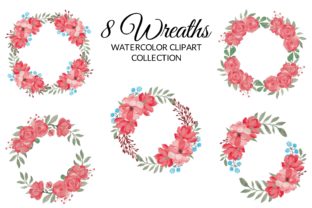
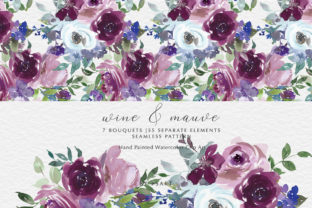
A robust Wine and mauve watercolor floral clipart collection addresses these technical requirements head-on. When evaluating assets, professionals should look for comprehensive file structures that support diverse use cases. For instance, a collection containing Total 63 files PNG 300 dpi provides the necessary fidelity for everything from large-format signage to intricate web graphics. The PNG format is particularly crucial here, as it supports transparent backgrounds, allowing for seamless layering over various colored substrates or textured papers without the unsightly white boxes associated with JPEGs.
Furthermore, the organization of these files dictates workflow efficiency. A well-structured pack separates complex compositions from individual elements. Having 7 bouquets size approx. 11 x 9 inches serves as ready-made focal points for invitations, poster headers, or website hero sections. These pre-composed arrangements save hours of layout time while maintaining professional artistic balance. Conversely, the inclusion of 55 smaller elements size approx. 2 x 3 , 3 x 4 offers granular control. These individual blooms, leaves, and sprigs act as connective tissue in a design, allowing creators to build custom borders, frame text, or add subtle accents to packaging without overwhelming the primary content.
Modularity and the Seamless Pattern Advantage
One of the most significant developments in modern surface design is the demand for modularity. Brands no longer operate on single channels; they require visual systems that scale from a business card to a billboard to a social media story. This is where the inclusion of a seamless pattern size 12 x 12 becomes a critical asset. Seamless patterns transform static illustrations into dynamic textiles and backgrounds.
For product-based businesses, this specific asset unlocks immediate revenue streams. A 12x12 inch seamless tile at 300 DPI can be applied to fabric printing, wrapping paper, wallpaper, and packaging liners. It ensures that the brand’s floral motif can cover infinite surface areas without visible repetition lines or pixelation. For digital marketers, these patterns serve as sophisticated backgrounds for email newsletters, Pinterest pins, and Instagram carousels, providing texture that enhances readability and visual interest without competing with foreground typography.
This modularity reflects a broader shift in creative workflows toward asset reuse and system-based design. Rather than commissioning bespoke artwork for every single campaign, smart entrepreneurs invest in high-quality foundational libraries. A Wine and Mauve Watercolor Floral system allows for rapid iteration. A designer can use the large bouquets for a spring launch, the individual elements for summer social media engagement, and the seamless pattern for autumn packaging, all while maintaining a cohesive brand identity. This consistency builds trust and recognition in a crowded marketplace.
Adapting to Changing Consumer Expectations
The modern consumer expects personalization and authenticity. Mass-produced, generic stock photography is increasingly viewed with skepticism. Hand-painted watercolor styles counteract this by introducing the "imperfect perfection" of human artistry. However, the challenge for professionals has always been balancing this bespoke feel with the scalability required for business growth.
High-quality clipart collections solve this paradox. They provide the authentic texture of traditional media with the flexibility of digital tools. When a wedding planner uses these assets, they can customize color overlays or opacity to match specific venue lighting or seasonal variations. When a skincare brand utilizes the smaller elements, they can create a minimalist label design that feels luxurious yet compliant with regulatory space constraints. The ability to manipulate these high-DPI assets ensures that the Wine and Mauve Watercolor Floral theme remains fresh and contextually appropriate across different seasons and demographics.
Moreover, the rise of DIY culture and the creator economy means that many entrepreneurs are acting as their own art directors. Access to professionally curated elements lowers the barrier to entry for high-end design. Instead of struggling to compose a balanced floral arrangement from scratch, a freelancer can utilize the pre-designed 11x9 bouquets as anchors, focusing their energy on typography and messaging. This democratization of quality design elevates the entire market, pushing standards higher and encouraging more thoughtful visual communication.
Future-Proofing Creative Assets
As we look toward the future of digital and print design, the integration of classic artistic techniques with modern technical standards will remain relevant. Trends cycle, but the fundamental need for beauty, order, and emotional resonance persists. Investing in comprehensive asset libraries like a Wine and mauve watercolor floral clipart collection is a forward-looking strategy because it prioritizes versatility over novelty.
The specific metrics of such a collection—Total 63 files, varied sizing from 2 x 3 to 11 x 9, and 12 x 12 seamless tiles—represent a holistic approach to resource management. It acknowledges that creative needs are rarely one-dimensional. By securing assets that cover macro compositions, micro details, and infinite tiling, professionals insulate themselves against future design bottlenecks. They ensure that when a new platform emerges or a client requests a last-minute format change, the necessary visual building blocks are already at hand, rendered in pristine 300 DPI clarity.
Ultimately, the choice to incorporate Wine and Mauve Watercolor Floral elements is a choice to prioritize depth and quality in visual storytelling. In an era of fleeting digital interactions, these assets offer a moment of pause and appreciation. They ground digital experiences in something tangible and timeless. For the discerning professional, this is not just about making things look pretty; it is about crafting a visual identity that resonates deeply, performs reliably across mediums, and stands the test of shifting market tides. The intersection of artistic integrity and technical excellence found in these collections exemplifies the best practices of modern commercial design, proving that even in a high-tech world, there is enduring power in the delicate stroke of a watercolor brush.