Red Blue Watercolor Floral Clip Art Set
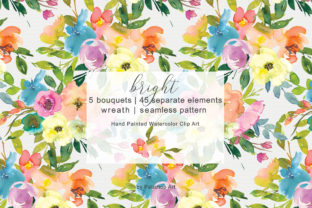
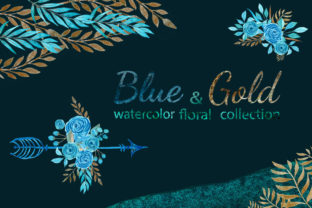
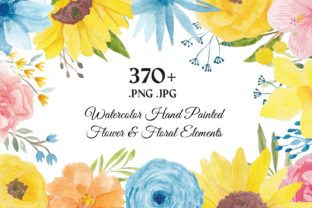
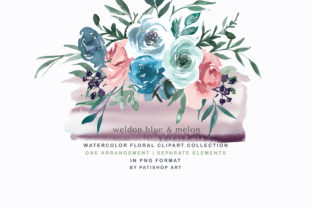
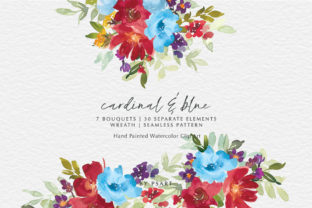
Elevating a visual identity often comes down to selecting assets that balance artistic charm with technical precision, which is exactly what a high-quality Red Blue Watercolor Floral Clip Art Set delivers for modern designers. This specific collection offers a versatile toolkit comprising 39 PNG files at 300 DPI, ensuring that every brushstroke remains crisp whether applied to digital interfaces or large-format print materials. The distinct red and blue color palette provides a sophisticated alternative to traditional pastels, allowing for stronger contrast and more memorable brand recognition across various creative projects.
Technical Specifications for Professional Workflows
For graphic design professionals, asset specifications are just as important as aesthetics. This set is engineered to support diverse applications without compromising quality. The inclusion of seven bouquets sized approximately 13 x 11 inches serves as substantial anchor elements for packaging design or editorial spreads. Meanwhile, the 30 smaller elements, ranging from 2 x 3 to 3 x 4 inches, function perfectly as accent graphics for UI design, social media templates, or stationery suites. The 14 x 17 inch seamless pattern further extends utility, providing ready-to-use backgrounds for web design, textiles, or merchandise without requiring manual tiling adjustments.
Strategic Applications in Branding and Marketing
Integrating organic watercolor textures into structured design systems creates a compelling juxtaposition that enhances user engagement. The specific red and blue tones in this clip art set offer unique opportunities for visual communication:
- Brand Identity and Logo Design: Use individual floral elements to soften geometric logomarks, adding a layer of approachability and artisanal quality to corporate identities.
- Packaging and Print Design: Leverage the high-resolution bouquets as primary visuals for product labels, shopping bags, or luxury box wraps where tactile visual appeal drives consumer perception.
- Digital Marketing Assets: Incorporate smaller floral accents into social media graphics and email headers to break up text-heavy layouts and guide the viewer’s eye through the visual hierarchy.
- Editorial and Web Layouts: Utilize the seamless pattern as subtle section dividers or hero backgrounds to maintain thematic consistency without overwhelming typography or core content.
Best Practices for Integration and Composition
To maximize the impact of these creative assets, designers must consider how watercolor interacts with other visual elements. Because watercolor edges are inherently soft, pairing them with clean, modern typography creates a balanced aesthetic that feels both premium and accessible. When working with the red and blue palette, ensure sufficient white space to prevent visual clutter; the 300 DPI resolution allows for generous scaling, but negative space is essential for maintaining readability and professional presentation.
Consistency is key when incorporating these florals into an existing brand system. Evaluate the opacity and blend modes of the PNG files to ensure they harmonize with your current color palette rather than competing with it. For UX and interface design, use the smaller 2 x 3 elements sparingly as decorative rewards or feedback indicators, ensuring they enhance rather than distract from functionality. In advertising campaigns, the larger bouquets can serve as emotional hooks, drawing attention to headlines or calls to action through natural leading lines formed by stems and petals.
Enhancing Visual Hierarchy and Aesthetic Value
The true value of this clip art set lies in its ability to humanize digital and print experiences. In an era of AI-generated imagery and sterile vector graphics, authentic watercolor textures signal craftsmanship and intentionality. When used thoughtfully within editorial design or presentation decks, these elements establish a tone of elegance and warmth. The specific dimensions provided—from the expansive 16 x 16 pattern to the delicate individual blooms—allow designers to create cohesive visual narratives across multiple touchpoints. By treating these florals as integral components of the design architecture rather than mere decoration, creators can achieve a polished result that resonates emotionally with audiences while meeting rigorous professional standards.