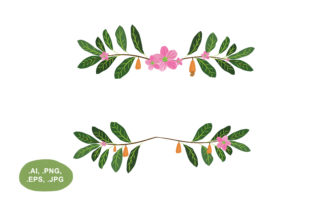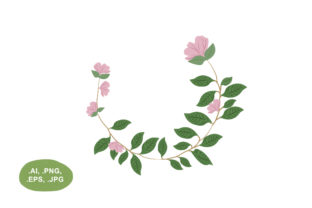
Botanical Pink Floral Border: Design Guide
Elevating a design project often comes down to finding the perfect framing element that adds warmth without overwhelming the central message. A botanical pink floral border serves as an elegant solution for creators seeking a touch of organic softness and natural beauty. Unlike rigid geometric lines or stark digital dividers, these floral arrangements introduce a sense of handcrafted artistry and gentle sophistication. Whether you are designing a wedding invitation, branding a feminine skincare line, or creating educational materials, this specific aesthetic bridges the gap between professional polish and personal charm.
The true value of these assets lies in their versatility and technical readiness. When you acquire a high-quality botanical wreath or border package, you are not just getting a pretty picture; you are gaining a flexible design toolkit. The inclusion of .ai and .eps files ensures that professional designers can scale, recolor, and rearrange individual petals or leaves to fit unique layouts. Simultaneously, the provision of .png files with transparent backgrounds allows beginners and casual users to instantly drag and drop elements onto any canvas without tedious background removal. This multi-format approach democratizes high-end design, making it accessible for everyone from seasoned marketers to hobbyist crafters.
Understanding the Aesthetic and Practical Value
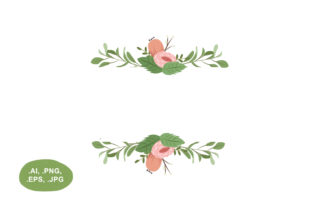
At its core, a botanical pink floral border is more than just decoration; it is a visual cue that communicates tone. Pink hues in botanical illustration range from dusty rose and blush to vibrant magenta, each evoking different emotions. Soft pastels suggest romance, tranquility, and springtime renewal, making them ideal for weddings, baby showers, and wellness brands. Deeper tones can convey maturity, luxury, and bold femininity, suitable for fashion editorials or premium product packaging. Understanding this color psychology helps you select the right variation for your specific audience.
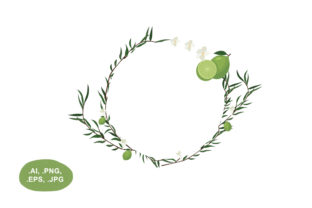
Beyond color, the structural composition matters. These borders are typically designed with negative space in mind. A well-crafted botanical wreath leaves ample room in the center for typography, photography, or essential information. This intentional spacing prevents the design from feeling cluttered. For small business owners creating social media templates, this means you can maintain brand consistency across dozens of posts simply by reusing the same border asset while changing the inner content. The transparency of the PNG files is crucial here, as it allows the border to sit seamlessly over colored backgrounds, textured paper effects, or photographs without unsightly white boxes breaking the immersion.
Versatile Applications Across Creative Fields
The utility of ready-to-use botanical assets extends far beyond traditional print design. In the digital realm, content creators and bloggers frequently use these wreaths to frame YouTube thumbnails, Pinterest pins, or Instagram stories. The organic shapes help break up the rectangular monotony of digital feeds, drawing the eye naturally toward the center. For educators and course creators, floral borders can soften academic materials, making worksheets, certificates of completion, and presentation slides feel more welcoming and less intimidating to students.
In commercial contexts, these assets solve specific branding challenges. Consider a freelance photographer needing a cohesive look for their pricing guides and client welcome packets. Using a consistent pink floral motif creates a recognizable visual identity that feels bespoke without the cost of custom illustration. Similarly, event planners can utilize the vector files to create matching signage, menus, and place cards. Because the .ai and .eps formats allow for editing, a planner can adjust the border’s dimensions to fit a tall banner or a wide table runner while maintaining crisp print quality at any size.
- Print Stationery: Wedding invitations, save-the-dates, thank you notes, and greeting cards benefit from the tactile suggestion of pressed flowers.
- Digital Marketing: Email newsletter headers, social media overlays, and web banners gain instant visual interest and thematic cohesion.
- Product Packaging: Labels for candles, soaps, cosmetics, and artisanal foods use botanical frames to signal natural ingredients and handmade quality.
- Personal Projects: Digital scrapbooking, journaling covers, and personalized gifts become more meaningful with customized floral accents.
Navigating File Formats for Optimal Results
Receiving a bundle that includes .ai, .eps, .png, and .jpg files offers distinct advantages depending on your skill level and software access. It is important to understand when to use each format to maximize the asset's potential. The .ai (Adobe Illustrator) and .eps (Encapsulated PostScript) files are vector-based. This means they are composed of mathematical paths rather than pixels. You can enlarge a vector wreath to the size of a billboard or shrink it to a business card logo without ever losing sharpness. These files also allow you to isolate individual elements; if you only need three pink peonies and a eucalyptus sprig rather than the full circle, you can easily extract them.
Conversely, the .png file is your best friend for quick, non-destructive editing in programs like Canva, Photoshop, or even PowerPoint. The transparent background is the key feature here. It ensures that only the floral artwork is visible, allowing it to blend perfectly with whatever lies beneath. Always check the resolution of the PNG; for print projects, ensure it is at least 300 DPI to avoid pixelation. The .jpg format is generally included for preview purposes or for use in environments where transparency is not supported, but for professional design work involving botanical wreaths, the PNG and vector formats will yield superior results.
Key Considerations Before Implementation
While botanical pink floral borders are incredibly versatile, thoughtful application separates amateur designs from professional ones. First, consider contrast and legibility. Pink florals can sometimes compete with text if not managed carefully. Ensure your typography has sufficient weight and color contrast against the floral elements. If the border is dense, opt for simple, clean fonts in the center. If the border is delicate and airy, you have more freedom with ornate script typefaces.
Secondly, pay attention to licensing and commercial usage rights. Just because a file is ready to use does not automatically mean it is cleared for every application. Verify whether the license covers commercial products for resale, such as printed stationery or digital templates, versus personal use only. Finally, consider the seasonal context. While pink florals are perennial favorites, certain shades and flower types carry strong seasonal associations. Cherry blossoms read as distinctly spring, while deep burgundy roses and dried foliage suggest autumn. Aligning your botanical choice with the temporal context of your project enhances relevance and emotional resonance.
Ultimately, integrating a botanical pink floral border into your creative workflow is about balancing aesthetics with functionality. The availability of multiple file formats empowers users at every skill level to achieve polished, professional results. By understanding the technical strengths of vectors and transparent rasters, and by applying design principles regarding space and contrast, you transform a simple decorative asset into a powerful communication tool. Whether framing a heartfelt message or highlighting a commercial offer, these botanical elements bring a timeless, human touch to an increasingly digital world.